past

SETAMPUK PINANG : NARTANA (Presentations)
Language: English, Bahasa Malaysia
Subtitle/Surtitle: English, Bahasa Melayu
Category: Dance
Tags: Experimental, Modern, Contemporary
Duration: 60 minutes without intermission
Doors Open: 15 minutes before the event
Seating: Classroom
Dress Code: Casual
Recommended for: 12 years old and above


Performers & Creatives

Maitheli
Artist
Maitheli will take her research findings into a movement-based exploration that reflects cultural memory, devotion, and contemporary interpretations of heritage.

Luvenia Kalia
Artist
A dancer, producer, and emerging dance anthropologist grounded in an ecological perspective, using place-responsive approaches to create work that intertwines embodied research with collective memory.

Kh
Khoo Mei Mei
Artist
An emerging artist who is experienced performing a few forms of dance with different communities and projects. Now, stepping into the role of a researcher and movement artist.

Haizam Azman
Presenter
Ticketing
Friday
1st
May 2026
11:30AM (GMT+8)
Maitheli (11.30am)
Watch at Venue
2:00PM (GMT+8)
Luvenia (2.00pm)
Watch at Venue
3:30PM (GMT+8)
Haizam (3.30pm)
Watch at Venue
6:00PM (GMT+8)
Mei Mei (6.00pm)
Watch at Venue
7:30PM (GMT+8)
Jeevan (7.30pm)
Watch at Venue
About
SETAMPUK PINANG: NARTANA : A Dance Exchange – Gerak, Warisan & Masa (Presentations)
Nartana features five engaging presentation slots, each lasting one hour and highlighting unique performers across the day. The lineup begins with Maitheli at 11:30 AM, followed by Luvenia & Kausalyaa at 2:00 PM, Haizam at 3:30 PM, Mei at 6:00 PM, and concludes with Jeevan at 7:30 PM.
Flexible ticketing options are available to suit your experience: RM 35 for 1 slot (1 pass), RM 60 for 2 slots (2 passes), or RM 140 for full access to all 5 slots, giving you the opportunity to enjoy the complete Nartana
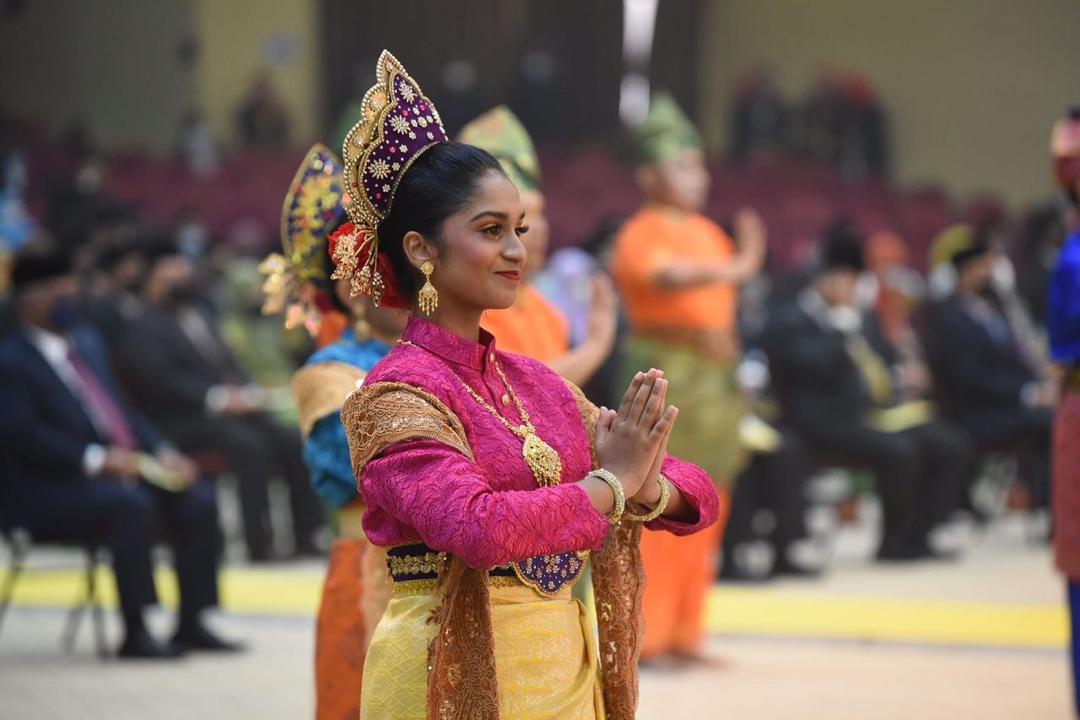
Maitheli - 11.30 am - Exploration of Chinese community participation in Kaavadi dance
She focuses her research on the ritualistic dance form of Kavadi Aattam associated with the Thaipusam celebration that has transcended ethnic boundaries by attracting Chinese participants. This study investigates the sequence and purpose of pre-Thaipusam rituals and how they spiritually prepare devotees. It also examines how Chinese devotees experience and interpret the physical and emotional dimensions of Kavadi Aattam. This study offers a fresh perspective by focusing on non-Indian participants and the meanings they construct through their performance of Kavadi Aattam within a multicultural Penang Island context.
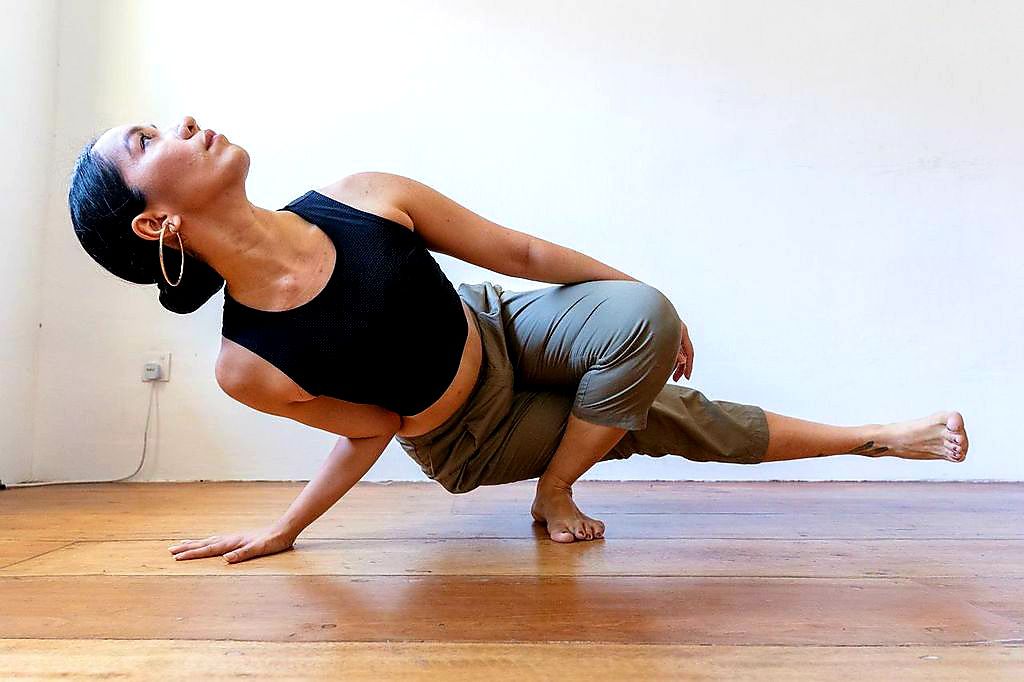
Luvenia Kalia - 2.00 pm - Embodying Fragments: Tracing Collective Memory in Artmaking
This presentation explores how memory, identity, and forgotten narratives are traced and embodied in performance, through the works BhumiMata (George Town Festival 2025) and the upcoming Varushaali (Sasankala, May 9). Both performances interrogate femininity, our relationship with nature, and overlooked stories of women, showing how fragments of history and lived experience are transformed into movement. Luvenia Kalia shares her creative process and facilitates a dialogue with Gogularaajan Rajendran, whose research on Tamil folk songs inspired Varushaali, highlighting how personal and collective memory shapes their artistic practice.
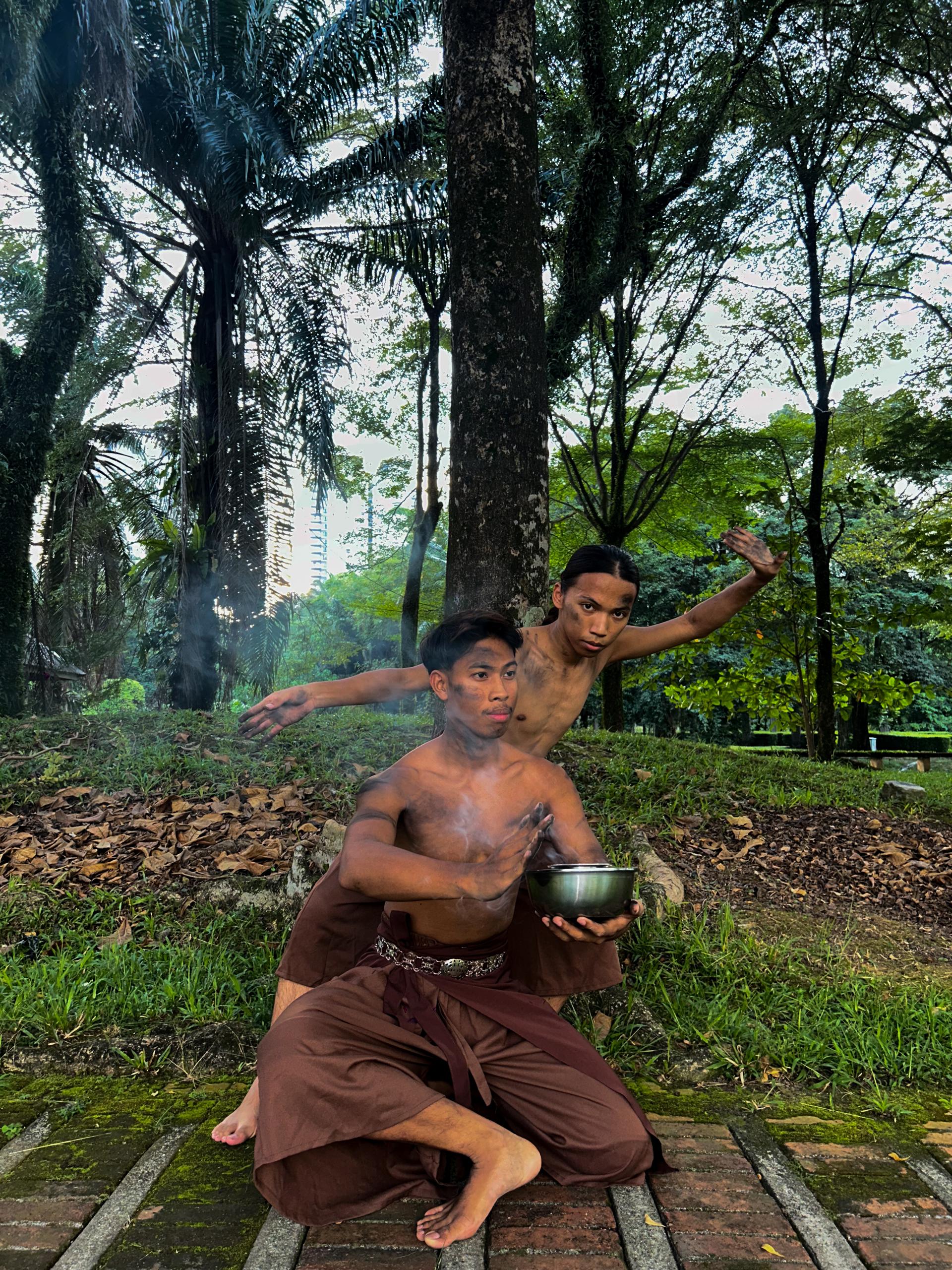
Haizam - 3.30pm - Lukah, inspired by the traditional bubu (fish trap)
He is bringing us one of his own pieces, Lukah. Lukah emerges from shadows, between soft whispers and worn tools, where the body moves as an echo of forgotten memory. This dance was inspired by Bubu (fish trap). The Bubu Dance, also known as the Lukah Dance, is a traditional dance that features the use of a bubu, a fish trap commonly used to catch limbat fish found in the rivers of Perak. The bubu is made from bamboo. In this dance, performers move in rhythm to the beats of the drum, incorporating circular patterns while gently shaking a modified bubu designed to resemble a fully dressed woman wearing a headscarf. The dancers take turns lifting the bubu throughout the performance.
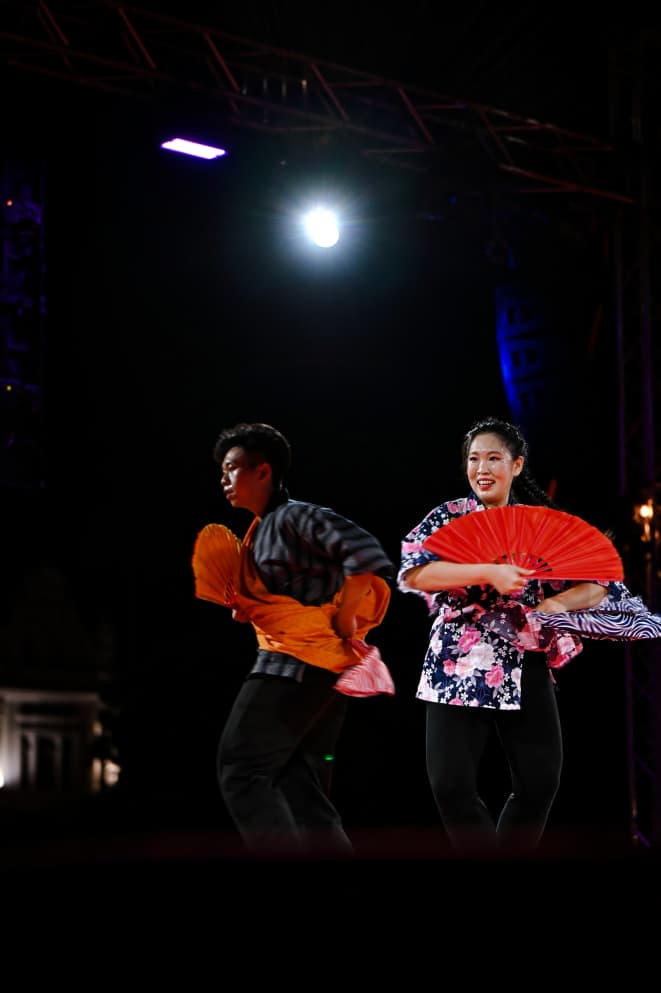
Mei Mei - 6.00 pm - Study of Baba Nyonya beadwork traditions
A dancer and performer shifting to a first time researcher. Her interest and passion led her way to do research on the Baba Nyonya Community. With guidance and opportunity as a seed project, Mei Mei has taken the challenge to present Threads of Peranakan - a contemporary dance presentation that explores the cultural identity and evolving legacy of the Peranakan community through their intricate art of Nyonya Beadwork (Manek Kerja Tangan), a traditional practice that embodies patience, precision, and generational knowledge. Through a combination of visual presentation and contemporary movement, the work translates the process of beadwork—threading, repetition, and pattern-making—into a physical language of the body.
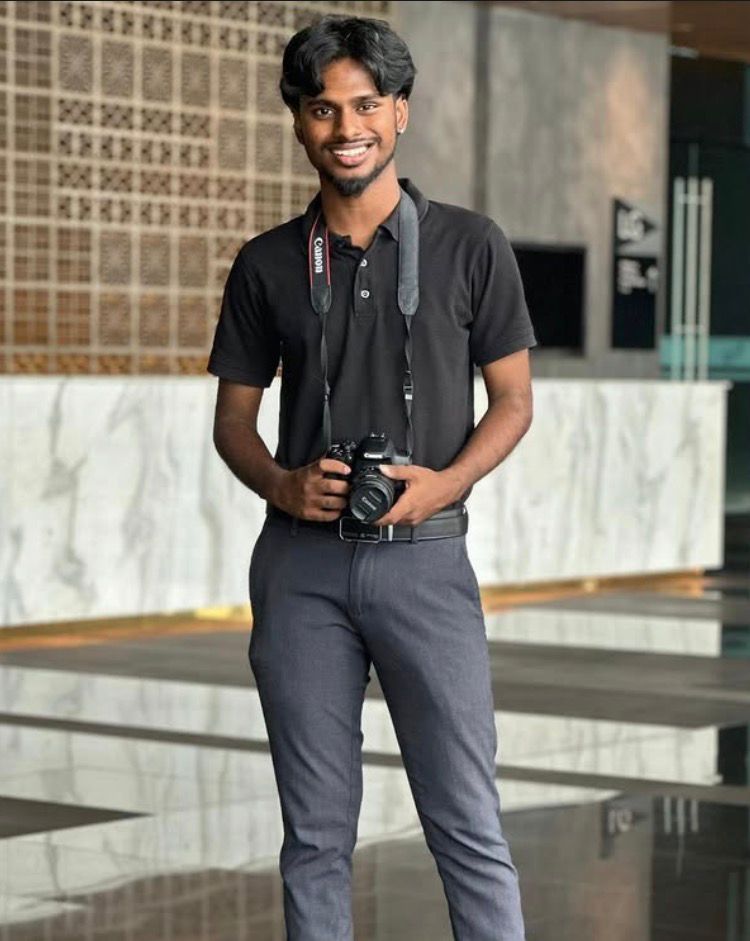
Jeevan - 7.30pm - Work rooted in the millstone (ammikallu)
Jeevan's passion for dance along his theatre background has introduced him to various stages as a performer and emcee. PHAF is his platform for his new role of researcher. For this first time research project, his topic is Ammikalu (millstone). This research is to show the culture practices and significance of millstone in South Indian culture through a sketch with dance and body sound.
Price details
1 Pass
One slot of presentation
RM35.00


